
ogle
verbto eye; look or stare at
What Makes This Word Tick
"Ogle" is the sort of word that practically raises its eyebrows at you. It's all about looking, but in a particular way-often with a gaze that's perhaps a tad too intense for comfort. While there's a hint of admiration in the gaze, it can sometimes lean into the realm of gawking or staring.
If Ogle Were a Person…
Picture your nosy neighbor who never misses a thing. Ever curious, with a pair of eyes that might just telescope out of her head like an old cartoon. Charmingly disarming when caught, "Oh, I didn't see you there," she'd say, a knowing smile on her face.
How This Word Has Changed Over Time
Once upon a time, "ogle" had far subtler beginnings. Originating in the late 17th century, it referred more gently to glancing affectionately. Over time, this look has grown more intense, sometimes charged with a touch of impropriety.
Old Sayings and Proverbs That Use Ogle
While there aren't many ancient proverbs about ogling, you might hear some modern say, "Stop ogling from across the room!" Probably not what Confucius had in mind, but close enough for today's curious souls.
Surprising Facts About Ogle
Believe it or not, "ogle" has been spotted in astronomical circles too! There are actually astronomical institutions named OGLE-Optical Gravitational Lensing Experiment-a fascinating blend of celestial observation and the earthbound gaze.
Out and About With This Word
When you're out at a museum, browsing shop windows, or even birdwatching, "ogle" might slip into your repertoire. Whether it's a Van Gogh or vintage veils, ogling is the pastime of appreciators everywhere-just keep it classy.
Pop Culture Moments Where Ogle Was Used
"Ogle" made its rounds in 90s sitcoms, popping up in scenes where characters find themselves overly captivated by their crushes. Whether it was Joey Tribbiani from "Friends" making this expression famous with his wide-eyed stair, it surely had its moment.
The Word in Literature
In Victorian literature, characters might ogle as an expression of forbidden love or scandalous interest. Authors have used the word to capture those fleeting, yet revealing moments where propriety takes a back seat to desire.
Moments in History with Ogle
Imagine the Renaissance courts, where ogling made its debut. Although the word wasn't coined yet, you can bet there were quite a few eyebrows raised at those lavish banquets when one courtier gazed a little too long at another's partner.
This Word Around the World
In other languages, ogling might not translate directly. In French, you might hear "lorgner," borrowing the nuance of admiration from afar. In some cultures, a long gaze might be a compliment, while in others, a sign of disrespect. Context is key!
Where Does It Come From?
The word likely stems from the Low German "oeglen," with similar Dutch roots. It's a fine example of how language travels, morphing across borders and time until it lands in the rollicking mix of modern English.
How People Misuse This Word
Sometimes folks confuse ogling with merely looking or observing. While a look is casual, ogling has more intent-a decisive interest that might raise an eyebrow or two (yours or theirs!).
Words It's Often Confused With
- Gawk: More gawking than gazing, it lacks the nuance of admiration.
- Glance: A brief look, without the lingering intent.
- Stare: More intense and potentially unnerving compared to ogle's playful or interested tone.
Additional Synonyms and Antonyms
Synonyms for "ogle" include "leer," "gaze," and "eye." Antonyms could be "ignore," "overlook," or simply "glance."
Want to Try It Out in a Sentence?
At the café, Harriet couldn't help but ogle the exquisite pastries in the display case, each one a delectable work of art begging for her attention.
Explore more words
11 Dumbest Things Middle-Class Americans Waste Money On
See what to cut →

frolic
[frol-ik]
to gambol merrily; to play in a frisky, light-spirited manner; romp

union
[un-ion]
the act of joining or combining; also refers to an organization formed for mutual benefit.

Little-Known Money Hacks That Could Save You Hundreds
Review the list →

Is Staying With the Same Insurer Costing You More?
Explore Your Options →
choleric
[kol-er-ik]
extremely irritable or easily angered; irascible

funny
[f-unny]
causing amusement or laughter; also used to describe something strange or unusual.

These 10 Money Moves Could Save Seniors Hundreds
Read more →

wrangle
[rang-guhl]
to tend or round up (cattle, horses, or other livestock)

sanguine
[sang-gwin]
optimistic or positive, especially in a bad or difficult situation
timorous
[tim-er-uhs]
full of fear; fearful

raze
[reyz]
to tear down; demolish; level to the ground

discombobulated
[dis-kuhm-bob-yuh-ley-tid]
confused, disconcerted, or upset

case
[k-as-e]
a container or situation designed for a specific purpose; also refers to an instance or example.

mesmerizing
[mez-muh-rahy-zing]
completely engrossing; captivating or fascinating

band
[b-and]
a group of people working together, often in music or activities; also refers to a strip of material.

fetching
[fech-ing]
charming; captivating

isthmus
[is-muhs]
a connecting, usually narrow, part, organ, or passage, especially when joining structures or cavities larger than itself
pendulous
[pen-juh-luhs]
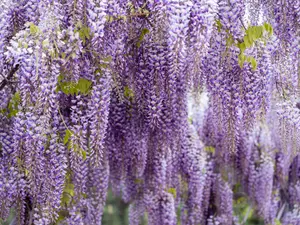
hanging down loosely

arbitrary
[ahr-bi-trer-ee]
subject to individual will or judgment without restriction; contingent solely upon one's discretion