
rapscallion
nouna rascal; rogue; scamp
What Makes This Word Tick
"Rapscallion" is a delightful term for someone who's up to no good-in a charming way. It has an old-school flair, conjuring images of cheeky scamps and lovable rogues. Unlike more ominous descriptors, this word carries a wink and a grin, suggesting mischief rather than malice.
If Rapscallion Were a Person…
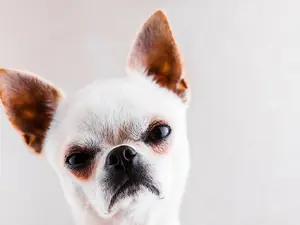
Imagine a lovable trickster with a twinkle in their eye, someone with a knack for bending the rules but never breaking them. They're the person who might sneak an extra cookie but would share half with you before getting caught.
How This Word Has Changed Over Time
"Rapscallion" traces back to the 17th century as an adaptation of "rascal," though its use has dwindled in the modern lexicon. While it once described a rogue more seriously, today it has softened into a term of endearment for playful mischief-makers.
Old Sayings and Proverbs That Use Rapscallion
Though not exactly a staple in classic proverbs, you might imagine grandma saying, "Oh, you little rapscallion!" when catching a child red-handed in harmless antics. It's the kind of word that dances through old family stories, bringing to life the cheekiest of ancestors.
Surprising Facts About Rapscallion
Despite its playful sound, "rapscallion" shares roots with more severe words like "scalawag," another term for a mischievous person. It's a perfect example of how language can soften over time, evolving from a harsh reprimand to an affectionate tease.
Out and About With This Word
In today's world, "rapscallion" might be that rare gem you hear at a vintage-themed party or in quaint literature clubs where members discuss Dickens and Twain with relish. It's a word that turns heads and raises smiles wherever it goes.
Pop Culture Moments Where Rapscallion Was Used
While not plastered across billboards, "rapscallion" might pop up in movies set in the past or in shows romancing the whimsical days of yore. Think of characters with puckish grins in "Pirates of the Caribbean" or in animated films with lovable, chaotic characters.
The Word in Literature
"Rapscallion" flits through the pages of classic literature, often describing the lovable outlaws or cheeky sidekicks that charm readers throughout. It's a word that fits perfectly alongside the likes of Huck Finn or Puck from "A Midsummer Night's Dream."
Moments in History with Rapscallion
Imagine a colonial America where a rapscallion might have been a child caught stealing apples from an orchard or a cheeky newspaper boy cutting corners during delivery rounds. It captures the spirit of youthful rebellion even in historical settings.
This Word Around the World
In France, the equivalent might be a "fripon," while in Spanish, you might use "truhán." Each culture has its own version of our charming rogue, showcasing a universal fondness for mischievous but ultimately harmless troublemakers.
Where Does It Come From?
Derived from the word "rascal," rapscallion shares its root with the Middle English "rascaile," which refers to someone of a low class-a far cry from today's cheeky practitioner of mischief.
How People Misuse This Word
Sometimes, people might mistake "rapscallion" for a more nefarious character, missing its more affectionate undertones. It's meant for those more mischievous than malicious-those who play practical jokes versus commit outright crimes.
Words It's Often Confused With
- Rascal: A similar term but slightly less antiquated; it's more commonly used in everyday language.
- Scamp: Both convey playful naughtiness, but a scamp perhaps sounds even more endearing.
- Scalawag: Often used interchangeably, though this carries a bit more historical weight, particularly in the U.S. South post-Civil War.
Additional Synonyms and Antonyms
Synonyms include scamp, rascal, trickster, and mischief-maker. Antonyms would be words like angel, saint, and goody-goody, describing those with nary a naughty bone in their body.
Want to Try It Out in a Sentence?
That young man that keeps swiping candies from the jar-what a little rapscallion he is!
Explore more words

11 Dumbest Things Middle-Class Americans Waste Money On
See what to cut →

vocational
[voh-key-shuh-nl]
of, relating to, or connected with a vocation or occupation

bumfuzzle
[buhm-fuhz-uhl]
to confuse or fluster

Little-Known Money Hacks That Could Save You Hundreds
Review the list →

Is Staying With the Same Insurer Costing You More?
Explore Your Options →

commensurate
[kuh-men-ser-it]
corresponding in amount, magnitude, or degree

reconcile
[rek-uhn-sahyl]
to bring into agreement or harmony; make compatible or consistent

These 10 Money Moves Could Save Seniors Hundreds
Read more →
choleric
[kol-er-ik]
extremely irritable or easily angered; irascible

apathetic
[ap-uh-thet-ik]
showing or feeling no interest or enthusiasm

aquiver
[uh-kwiv-er]
trembling with excitement or emotion

synchrony
[sing-kruh-nee]
simultaneous occurrence; synchronism

enthusiast
[en-thoo-zee-ast]
a person who is highly interested in a particular activity or subject

revere
[ri-veer]
to regard with respect tinged with awe; venerate

complacent
[kuhm-pley-suhnt]
agreeable and eager to please

interpolate
[in-tur-puh-leyt]
to introduce (something additional or extraneous) between other things or parts; interject; interpose; intercalate

catastrophize
[kuh-tas-truh-fahyz]
to view or talk about (an event or situation) as worse than it actually is, or as if it were a catastrophe

vociferate
[voh-sif-uh-reyt]
to speak or cry out loudly or noisily; shout; bawl

unsparing
[unsp-ar-ing]
generous and unrestrained in giving; also refers to harsh or severe criticism.

raze
[reyz]
to shave or scrape off