opaque
adjectivenot able to be seen through; not transparent or clear
What Makes This Word Tick
Opaque describes something that cannot be seen through or understood clearly. It can be literal, like glass that blocks light, or figurative, like an explanation that hides more than it reveals. The word is useful when clarity is missing.
If Opaque Were a Person…
Opaque would answer with polished words that somehow explained nothing. They would stand in front of the window and call it a view. Their skill would be making the unclear look official.
How This Word Has Changed Over Time
Opaque comes from Latin opacus, meaning "shady or dark." That origin fits both the physical and figurative meanings. In modern English, opaque can describe blocked vision or unclear meaning.
Old Sayings and Proverbs
Opaque is not commonly found in traditional proverbs, but its meaning fits old warnings about hidden truth. An imagined proverb-like line might be: "An opaque window keeps both light and truth outside." It suggests that lack of clarity can block understanding.
Surprising Facts
Opaque can describe objects, systems, rules, writing, or decisions. A glass panel can be opaque, but so can a policy that no one understands. The word moves easily from physical darkness to unclear communication.
Out and About With This Word
You can use opaque for glass, plastic, water, instructions, reports, pricing, policies, or explanations. It fits classrooms, offices, labs, meetings, and design work. Use it when something cannot be seen through or made clear.
Pop Culture Moments Where Opaque Was Used
It would fit naturally alongside The Matrix, where reality is not fully clear to the people living inside it. It also suits Knives Out, where motives and clues can stay hidden until the truth comes forward. In both cases, opaque describes something not transparent or clear.
The Word in Literature
In literature, opaque can describe a dark window, a hidden motive, or a sentence that resists easy understanding. It suits mysteries and characters who do not reveal themselves fully. The word lets confusion feel deliberate.
Moments in History with Opaque
In a closed-door meeting, secret archive, or guarded office, opaque can describe systems or decisions that outsiders cannot clearly see. The setting makes limited access part of the problem. The word keeps attention on blocked transparency.
This Word Around the World
Many languages use ideas of darkness, cloudiness, or blocked sight to describe unclear meaning. Opaque gives English a word that works for both surfaces and statements. It is useful when vision or understanding is blocked.
Where Does It Come From?
Opaque comes from Latin opacus, meaning "shady or dark." That origin explains the word's link to blocked light and unclear meaning. In modern English, opaque means not able to be seen through, not transparent, or not clear.
How People Misuse This Word
Opaque should not be used for something that is simply complex. A complex idea can still be clear. Opaque works best when something blocks sight, transparency, or understanding.
Words It's Often Confused With
Opaque can be confused with dark, but dark may only describe low light. It can also overlap with unclear, though opaque often suggests that something blocks understanding. The word has a stronger sense of hiddenness.
Additional Synonyms and Antonyms
Additional synonyms: impenetrable, clouded, unclear, obscured Additional antonyms: see-through, plain, open, comprehensible
Want to Try It Out in a Sentence?
The glass was opaque, preventing light from passing through it.
Explore more words

11 Dumbest Things Middle-Class Americans Waste Money On
See what to cut →

arbitrary
[ahr-bi-trer-ee]
subject to individual will or judgment without restriction; contingent solely upon one's discretion

lethargic
[luh-thahr-jik]
affected by lethargy; sluggish and lacking energy
Little-Known Money Hacks That Could Save You Hundreds
Review the list →

Is Staying With the Same Insurer Costing You More?
Explore Your Options →

curved
[kurvd]
having a rounded or arc-like shape

ample
[am-pul]
more than enough; abundant

These 10 Money Moves Could Save Seniors Hundreds
Read more →

torque
[tawrk]
the ability of an element that rotates, like a gear or shift, to overcome resistance

despondent
[dis-pon-dent]
feeling hopeless or discouraged

vignette
[vin-yet]
a decorative design or small illustration used on the title page of a book or at the beginning of a chapter

commission
[co-mmi-ion]
an instruction, command, or role given to a person or group.

copacetic
[koh-puh-set-ik]
fine; completely satisfactory; OK

scurrilous
[skur-uh-luhs]
humorously insulting

radiate
[rey-dee-eyt]
to emit energy or heat in the form of rays or waves
ocher
[oh-ker]
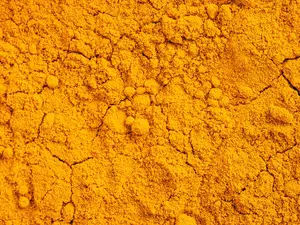
any of a class of natural earths, mixtures of hydrated oxide of iron with various earthy materials, ranging in color from pale yellow to orange and red, and used as pigments