overhang
Verbto extend or project over something
What Makes This Word Tick
Overhang means to extend or project over something, creating a part that sticks out above what’s below. It’s a spatial word—about shape and coverage—often hinting at shade, shelter, or looming presence. Compared with extend, overhang specifically suggests “over and above,” not just “farther out.”
If Overhang Were a Person…
Overhang would be the tall figure leaning in just enough to cast a shadow without fully stepping forward. They hover above the scene, half-covering what’s underneath. Their presence feels protective or slightly intimidating, depending on what they’re hanging over.
How This Word Has Changed Over Time
Overhang has remained anchored to the physical idea of projecting above something else. It’s still most natural in descriptions of cliffs, roofs, ledges, and shapes that stick out overhead.
Old Sayings and Proverbs
A proverb-style idea that fits overhang is that what sticks out above you can change what you feel below—shade, shelter, or pressure. That matches the definition because an overhang is literally something projecting over.
Surprising Facts
Overhang often implies an effect as well as a shape: it can block light, create cover, or make a space feel enclosed. The word can be vivid even when used plainly, because it invites a quick mental picture of “above and out.” In writing, it’s a compact way to add depth and dimension to a setting.
Out and About With This Word
You’ll see overhang in descriptions of landscapes, architecture, and any object that projects overhead—cliffs, awnings, eaves, and ledges. It’s useful when you want to describe both form and the way it affects the space beneath. The word fits best when “over” is essential to the picture.
Pop Culture Moments Where Overhang Was Used
In visual storytelling, overhangs often appear in dramatic settings—characters sheltering beneath a ledge or standing under something that looms above. That reflects the definition because the structure projects overhead, shaping the space and mood. The image can signal safety, suspense, or a natural threshold.
The Word in Literature
In literary writing, overhang is often used to create atmosphere by shaping light and space—shade falling over a character, a ledge pressing into the sky, or a roofline extending outward. The word adds geometry to description, making settings feel three-dimensional. It can also subtly heighten tension by suggesting something looming overhead.
Moments in History with Overhang
The idea of an overhang shows up in built environments and landscapes wherever people seek cover, shade, or protected space. This matches the definition because a projecting structure changes what happens beneath it—light, weather exposure, and movement. It’s a practical feature with a clear physical effect.
This Word Around the World
Across languages, this concept is usually expressed with words meaning “project,” “jut,” or “hang over,” often in architecture and landscape description. Expression varies by whether a language prefers a single word or a phrase, but the sense stays spatial and overhead.
Where Does It Come From?
Overhang comes from Old English elements meaning “over” and “hang,” forming a literal idea of something hanging out above. The origin matches the modern meaning almost perfectly, since the word still describes projection overhead.
How People Misuse This Word
Overhang is sometimes used for any extension, but it specifically implies projecting over something else, usually above it. If nothing is actually above and sticking out, extend or protrude may be clearer.
Words It’s Often Confused With
Overhang is often confused with protrude, but protrude can stick out in any direction, while overhang suggests sticking out above. It can also overlap with jut, though jut doesn’t necessarily include the “over” relationship.
Additional Synonyms and Antonyms
Additional Synonyms: hang over, cantilever, loom over Additional Antonyms: draw back, fall away, pull in
Want to Try It Out in a Sentence?
"The cliff’s overhang provided shade from the midday sun."
Explore more words
11 Dumbest Things Middle-Class Americans Waste Money On
See what to cut →
hazy
[hey-zee]
characterized by the presence of haze; misty
banshee
[ban-shee]
(in Irish legend) a female spirit whose wailing warns of an impending death in a house

Little-Known Money Hacks That Could Save You Hundreds
Review the list →

Is Staying With the Same Insurer Costing You More?
Explore Your Options →

disjointed
[dis-joyn-tid]
lacking order or connection
ensconce
[en-skons]
to settle securely or snugly; to cover or shelter; hide securely
These 10 Money Moves Could Save Seniors Hundreds
Read more →
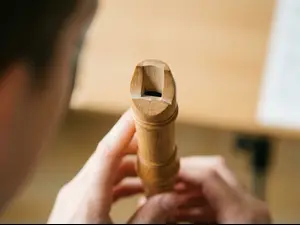
fipple
[fip-uhl]
a plug stopping the upper end of a pipe, as a recorder or a whistle, and having a narrow slit through which the player blows
veracity
[vuh-ras-i-tee]
habitual observance of truth in speech or statement; truthfulness

snafu
[sna-foo]
a badly confused or ridiculously muddled situation

neglectful
[neh-glekt-ful]
failing to care for someone or something properly

loquaciousness
[l-okw-ak-iousn-ess]
the quality of being very talkative or prone to lengthy conversation.
snickersnee
[snik-er-snee]
a knife, especially one used as a weapon.
mesmerizing
[mez-muh-rahy-zing]
hypnotic or hypnotizing; having a trancelike effect similar to hypnosis
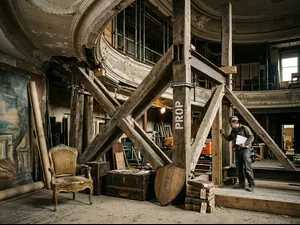
prop
[pr-op]
an object used for support or as part of a performance; also refers to giving assistance or reinforcement.