sibilant
adjective
characterized by a hissing sound, especially an s or sh sound.
What Makes This Word Tick
Sibilant groups sounds by their hiss rather than by the letters used to spell them. The initial sounds of sip and ship both belong to that family, even though one uses a single letter and the other uses two.
If Sibilant Were a Person...
Sibilant would speak softly but make every s sound easy to hear. They would notice the texture of a whispered sentence.
How This Word Has Changed Over Time
Sibilant has retained a place in phonetic description as well as in discussions of poetic sound. Its related noun sibilance names the hissing effect, making the adjective and noun a useful pair in sound analysis.
Old Sayings and Proverbs
The phrase "hiss like a snake" does not contain sibilant. It offers a familiar comparison for the kind of sound the adjective describes.
Surprising Facts
The sounds at the beginnings of sip and zip are both sibilant, although the second uses vocal-cord vibration. Hissing quality therefore does not require a sound to be voiceless.
Out and About With This Word
A poetry discussion might call repeated s sounds sibilant. A sound designer might use the term when describing hiss in a voice recording.
Pop Culture Moments Where Sibilant Was Used
It would fit naturally alongside The Jungle Book, where the snake Kaa provides an obvious association with hissing. It also suits Harry Potter and the Chamber of Secrets, where snake-related speech is an important story element. In both cases, sibilant describes the hiss-like character of a sound.
The Word in Literature
At the end of Percy Bysshe Shelley's Ozymandias, repeated s sounds accompany the description of the surrounding sands. That sibilant pattern gives the closing landscape an audible texture as well as a visual one.
Moments in History with Sibilant
The International Phonetic Association was founded in Paris in 1886 as part of efforts to improve language teaching through phonetics. Its alphabet gave specialists a shared way to distinguish sounds, including sibilant consonants that ordinary spelling can obscure.
This Word Around the World
French also has sibilant and the feminine form sibilante, with the same connection to hissing or whistling sound. The Academie francaise records a sibilant voice as an example, linking the two languages through a recognizable sound quality.
Where Does It Come From?
Sibilant comes from Latin sibilare, meaning to hiss or whistle. The origin directly reflects the sound being described.
How People Misuse This Word
Sibilant does not mean any whisper or quiet noise. A sound needs the characteristic hiss-like quality to fit.
Words It's Often Confused With
Sibilance and alliteration describe different features of a line. Sibilant sounds may be repeated anywhere, while alliteration concerns matching sounds at the beginnings of nearby words or stressed syllables.
Additional Synonyms and Antonyms
Additional synonyms: hiss-like Additional antonyms: non-hissing
Want to Try It Out in a Sentence?
The sibilant whisper carried through the quiet room.
Explore more words

mangels
[mang-guhls]
large coarse yellow to reddish orange beets grown as food for cattle.

placate
[pley-keyt]
to appease or pacify, especially by concessions or conciliatory gestures



banal
[buh-nal]
devoid of freshness or originality; hackneyed; trite

plotz
[plots]
to collapse or faint, as from surprise, excitement, or exhaustion


hodgepodge
[hoj-poj]
a heterogeneous mixture; jumble

guffaw
[guh-faw]
to laugh loudly and boisterously

sordid
[sawr-did]
squalid; wretchedly poor and run-down

nourishing
[n-our-ish-ing]
providing substances necessary for growth, health, and well-being.

chide
[chahyd]
to express disapproval of; scold; reproach

zeitgeist
[tsahyt-gahyst]
the defining spirit or mood of a particular period of history as shown by the ideas and beliefs of the time

cascade
[kas-keyd]
a waterfall descending over a steep, rocky surface
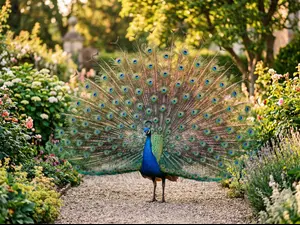
resplendent
[res-plen-dent]
attractive and impressive through being richly colorful or sumptuous