superior
adjectivenotably excellent of its kind; surpassingly good.
What Makes This Word Tick
Superior means notably excellent of its kind—surpassingly good compared with other options. It can point to quality, performance, or rank, but the defining idea is “above.” Compared with “better,” superior often sounds more decisive, like the difference is clear and meaningful.
If Superior Were a Person…
Superior would be the person who walks in and quietly raises the bar without bragging—or, sometimes, without noticing the room. They expect high standards and assume their way is the benchmark. Being around them can feel impressive, and occasionally a little intimidating.
How This Word Has Changed Over Time
Superior has remained tied to the idea of being higher in quality or rank. Modern usage still applies it to products, skills, and outcomes when something is notably excellent compared to alternatives. The meaning stays steady even as the comparison targets change.
Old Sayings and Proverbs
A proverb-style idea that matches superior is that quality shows itself when comparisons are close. This reflects the idea of being surpassingly good—standing out because the excellence is real, not just claimed.
Surprising Facts
Superior often carries a formal, evaluative tone, which is why it’s common in reviews, rankings, and comparative descriptions. It can describe rank as well as quality, so context matters: “superior officer” is about position, while “superior materials” is about excellence. The word also tends to imply a clear gap, not a tiny edge.
Out and About With This Word
You’ll often see superior in product descriptions, performance comparisons, and professional settings where people judge quality or results. It also appears in hierarchies and workplace language when discussing rank. The word fits best when you mean “notably excellent” rather than merely “slightly better.”
Pop Culture Moments Where Superior Was Used
In pop culture, the idea behind superior often shows up in characters who are clearly better at a skill, or systems that claim to be the “best” in a competitive world. That reflects the meaning because the tension comes from excellence that outpaces the rest—whether admired, resented, or challenged.
The Word in Literature
In literary writing, superior is often used to establish comparison quickly, signaling that one thing stands above another in quality or rank. It can sharpen characterization by implying confidence, judgment, or hierarchy. For readers, it cues a clear advantage—something is notably excellent, not merely acceptable.
Moments in History with Superior
Throughout history, the concept of being superior appears wherever people compare tools, methods, leaders, or outcomes, especially in competitive or hierarchical settings. That aligns with the definition because the focus is on being above average in quality or rank. The idea shows up any time “best in class” matters.
This Word Around the World
Across languages, this concept is commonly expressed with terms meaning better, higher, or of higher quality, sometimes split between rank and excellence. The core idea is consistent: something stands above others by comparison.
Where Does It Come From?
Superior comes from a Latin word meaning “higher,” which matches the modern meaning directly. Whether you’re talking about rank or quality, the word keeps that “above” orientation. Its origin helps explain why it feels comparative by nature.
How People Misuse This Word
Superior is sometimes used as a vague brag without a clear comparison, but the word works best when there’s an understood standard or alternative. If you can’t say “superior to what,” “high-quality” may be clearer.
Words It’s Often Confused With
Superior is often confused with excellent, but excellent can stand alone, while superior implies comparison. It can also be confused with dominant, which emphasizes power or control rather than being notably excellent of its kind.
Additional Synonyms and Antonyms
Additional Synonyms: first-rate, top-notch, finer Additional Antonyms: mediocre, substandard, second-rate
Want to Try It Out in a Sentence?
"The superior quality of the product made it stand out from the competition."
Explore more words

11 Dumbest Things Middle-Class Americans Waste Money On
See what to cut →

artifact
[ar-tif-act]
a remaining piece from an extinct culture or place

translucent
[trans-loo-suhnt]
allowing light to pass through but not transparent

Little-Known Money Hacks That Could Save You Hundreds
Review the list →

Is Staying With the Same Insurer Costing You More?
Explore Your Options →
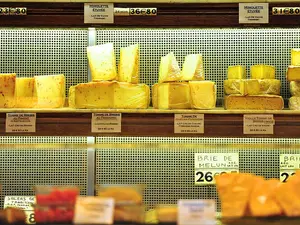
cheesemonger
[cheez-muhng-ger, cheez‐mong‐ger]
a merchant who sells cheese and other dairy products

mezzanine
[mez-uh-neen]
the lowest balcony or forward part of such a balcony in a theater

These 10 Money Moves Could Save Seniors Hundreds
Read more →

euclidean
[yoo-klid-ee-uhn]
of or relating to the system of geometry based on the work of Euclid and corresponding to the geometry of ordinary experience

opprobrium
[uh-proh-bree-uhm]
harsh criticism or censure

zephyr
[zef-er]
a gentle, mild breeze

canorous
[kuh-nawr-uhs]
melodious; musical

supreme
[soo-preem]
highest in rank, power, or quality

comport
[kuhm-pawrt]
to bear or conduct (oneself); behave

nag
[nag]
to annoy or bother someone with repeated requests or criticism

consternation
[kon-ster-nay-shuhn]
a feeling of anxiety or dismay