
surly
adjectivebad-tempered and unfriendly
What Makes This Word Tick
The word "surly" certainly has a bit of character. It embodies a grumpiness that's almost endearing - like a cantankerous uncle who scowls at everyone but secretly dotes on kittens.
If Surly Were a Person…
Surly would be the neighbor who's perpetually unimpressed by your lawn, yet keeps his own yard in immaculately bad shape. He's got the bark of a drill sergeant but the occasional soft heart of a teddy bear, particularly when it comes to feeding stray cats.
How This Word Has Changed Over Time
Originally, "surly" came from the Middle English "sirly," a term meant to convey the demeanor of a lord or sir - often stern and superior. Over time, it evolved to paint a picture of someone who isn't just stern, but downright gruff or bad-tempered.
Old Sayings and Proverbs That Use Surly
You might not find “surly” in classic proverbs, but its spirit lurks in advice like "kill them with kindness." This phrase subtly implies dealing with a surly person by showering them with warmth and grace, much like melting an iceberg with a warm breeze.
Surprising Facts About Surly
Did you know that "surly" used to have a noble air about it? Its origins link to being lordly, so once upon a time, being surly was more about asserting authority than glowering at the kids on your lawn.
Out and About With This Word
You'll find "surly" hanging out in places with a lot of hustle - perhaps at a busy city café where the barista is overwhelmed or on a stormy sea where sailors navigate not just the waves but each other's moods.
Pop Culture Moments Where Surly Was Used
"Surly" has made its rounds in film and TV, often as the perfect descriptor for a lovable but scowling character. Think of Mr. Miyagi from “The Karate Kid” or even Clint Eastwood's roles - rough around the edges but with a soft spot deep down.
The Word in Literature
"Surly" would feel right at home in a Charles Dickens novel, where characters are often a blend of grumpy exteriors and redeeming qualities. It suits any work with a rich tapestry of human moods and foil.
Moments in History with Surly
Imagine the mood of Boston in 1773 - the eve of the Boston Tea Party must have had a surly tension in the air. Colonists, disgruntled and chafed under unfair taxation, were ready to turn their surliness into revolutionary action.
This Word Around the World
In Japan, the equivalent of “surly” might be "butsubutsu," referring to someone who grumbles or mutters complaints, showing that, globally, we all share moments of grumpiness.
Where Does It Come From?
Surly” has its roots in the Middle English word “sirly,” signifying someone acting like a "sir." Its journey through the English language morphed from a depiction of dignified authority to one of gruff irritability.
How People Misuse This Word
Many might confuse “surly” with simply being rude or blunt, but it really captures a deeper, more habitual kind of gruffness - a constant state, rather than a passing mood.
Words It's Often Confused With
- Grumpy: Whereas "grumpy" can be temporary, surliness tends to stick longer.
- Rude: A surly disposition is often mild and habitual, not outright impolite.
- Brusque: Surly involves more sulkiness than the curt manner implied by "brusque."
Additional Synonyms and Antonyms
Synonyms include "crabby," "gruff," and "cantankerous," while antonyms feature "amiable," "cheerful," and "genial."
Want to Try It Out in a Sentence?
"The surly shopkeeper rarely smiled, but when he did, it felt as if a ray of sunshine had entered his dim store."
Explore more words

penetrating
[pen-uh-tray-ting]
able to enter or understand deeply

confabulate
[kuhn-fab-yuh-leyt]
to converse informally; chat

disparage
[dih-spar-ij]
to speak of or treat slightingly; depreciate; belittle

increase
[inkr-eas-e]
to grow in size, number, or intensity; to make something greater.

plaintiff
[pleyn-tif]
petitioner (in court of law)

draw
[draw]
to pull or attract something

doting
[doh-ting]
excessively fond

kismet
[kiz-met]
fate; destiny

relic
[rel-ik]
an object surviving from an earlier time, especially of historical interest
arty
[ahr-tee]
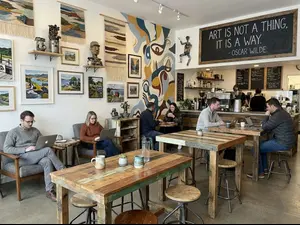
pretentious or overly interested in artistic pursuits

bandage
[ban-dij]
a strip of material used to cover and protect a wound

hygge
[hoog-uh]
(especially in reference to the Danish lifestyle) the feeling of coziness and contentment evoked by simple comforts, as being wrapped in a blanket, having good conversations, enjoying food, etc.
lotion
[l-oshun]
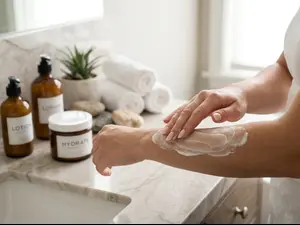
a liquid or cream applied to the skin for moisturizing or healing.

cackle
[k-akl-e]
to laugh in a high-pitched, often unpleasant manner; also refers to the sound made by chickens.

fabricate
[fab-ri-keyt]
to devise or invent (a legend, lie, etc.)
passion
[p-aszhun]
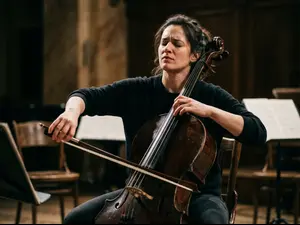
intense emotion, enthusiasm, or desire, often for something or someone.