
writhe
verb, verbto shrink mentally in discomfort or embarrassment. to twist or contort the body in pain or discomfort
What Makes This Word Tick
"Writhe" is a word that practically squirms off the page. It vividly captures a twisting, contorting motion, often associated with discomfort or pain. There's an almost serpentine quality to it, suggesting a movement that's not just involuntary, but organic and inevitable.
If Writhe Were a Person…
Imagine Writhe as that bendy yoga instructor at your local gym who can twist themselves into positions that defy human anatomy. They'd be the first to double over in laughter at their own jokes, showing off their extreme flexibility and leaving everyone else slightly in awe, slightly apprehensive.
How This Word Has Changed Over Time
The word "writhe" has steadfastly clung to its roots over the centuries. Originating from Old English “wrīthan,” it has always suggested twisting or contorting, often with a hint of agony. Its consistent usage points to a fundamental aspect of human experience: our physical and emotional reactions to discomfort.
Old Sayings and Proverbs That Use Writhe
Though "writhe" isn't a staple ingredient in many proverbs, its emotive power can't be denied in old sayings about struggle and suffering. You might imagine a Shakespearean character, upon being poisoned, exclaiming, "I writhe as the snake does when the fangs pierce deep."
Surprising Facts About Writhe
It might surprise you that “writhe” often partners with “in agony” in historic medical texts describing patients' symptoms. In literature, it's frequently invoked to describe more than just physical struggles - emotional and existential warpings, too.
Out and About With This Word
You might have a writhing moment when negotiating a tangled garden hose or wrestling with your dog's leash. Outside of literature, it's most at home on the stage, describing the dramatics of an actor in a climactic moment.
Pop Culture Moments Where Writhe Was Used
In horror and thriller genres, directors love a scene where characters writhe in terror, adding to the suspense. Think of any classic horror movie - there's sure to be a scene filled with writhing shadows and eerie movements.
The Word in Literature
"Writhe" finds a snug spot in gothic and horror literature. It's a word that crops up when describing the tormented souls of Edgar Allan Poe's stories or the physical manifestation of a character's inner turmoil in a Kafka novel.
Moments in History with Writhe
During the dramatic public readings of Edgar Allan Poe's "The Tell-Tale Heart," it's easy to imagine audiences of the 19th century writhing in their seats at the suspense. History is replete with such literary moments that could provoke a physical response.
This Word Around the World
"Writhe" doesn't have a direct equivalent in every language, yet the concept of twisting and turning in discomfort is universally understood. In French, one might use "se tordre," while in Japanese, similar sentiments are expressed with dynamic gestures rather than direct translations.
Where Does It Come From?
From Old English roots, "wrīthan" brings forth the imagery of twisting like vines or cords. It shares lineage with words across various Germanic languages, all emphasizing a similar twisting, tortured motion.
How People Misuse This Word
People often confuse “writhe” with any restless movement, but true writhing implies an element of discomfort or agitation - not just ordinary fidgeting or shifting about.
Words It's Often Confused With
- Twist: Generally lacks the connotation of pain or struggle.
- Squirm: Suggests more of a playful or nervous movement rather than one of distress.
- Contort: While similar, this often implies a more severe flexibility or unnatural positioning, not necessarily in reaction to discomfort.
Additional Synonyms and Antonyms
- Synonyms: Squirm, contort, twist, recoil, thrash.
- Antonyms: Relax, rest, lounge, unwind, repose.
Want to Try It Out in a Sentence?
After accidentally rolling onto a patch of prickly nettles, the curious cat began to writhe and twist in comical consternation.
Explore more words

rapprochement
[rap-rohsh-mahn]
an establishment or resumption of harmonious relations

supplicate
[suhp-li-keyt ]
to pray humbly; make humble and earnest entreaty or petition

limpid
[lim-pid]
clear, transparent, or pellucid (as water, crystal, or air)
aplomb
[uh-plom]
imperturbable self-possession, poise, or assurance

surly
[sur-lee]
bad-tempered and unfriendly

impecunious
[im-pi-kyoo-nee-uhs]
having little or no money; penniless; poor

buttery
[buht-er-ee]
having the taste or texture of butter
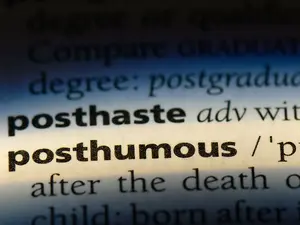
posthumous
[pos-chuh-muhs]
arising, occurring, or continuing after one’s death

crestfallen
[krest-faw-luhn]
dejected; dispirited; discouraged
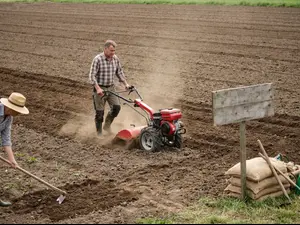
cultivation
[k-ult-iv-ashun]
the act of preparing land for growing crops; also refers to refining or improving skills or manners.

bewitched
[b-ew-itch-ed]
enchanted or under a magical spell; also refers to being captivated or charmed.

persiflage
[pur-suh-flahzh]
light and slightly contemptuous mockery or banter

antediluvian
[an-tee-di-loo-vee-uhn]
a person who lived before the Flood; a very old or old-fashioned person or thing

glower
[glou-er]
to look or stare with sullen dislike, discontent, or anger

philanthropic
[fil-uhn-throp-ik]
of, pertaining to, engaged in, or characterized by philanthropy; benevolent

avaricious
[av-uh-rish-uhs]
characterized by avarice; greedy; covetous