apathetic
adjectiveshowing or feeling no interest or enthusiasm
What Makes This Word Tick
Apathetic describes a lack of interest or enthusiasm. It is not the same as calmness; it suggests that a person is emotionally checked out. The word often appears when someone seems unmoved by something others care about.
If Apathetic Were a Person…
Apathetic would sit through big news without looking up from the table. They would not argue, cheer, or ask many questions. Their stillness would make the moment feel strangely flat.
How This Word Has Changed Over Time
Apathetic comes from Greek apatheia, meaning lack of feeling or passion. The modern word keeps that sense of emotional absence. It points to a person who shows little interest where some response might be expected.
Old Sayings and Proverbs
Apathetic is not commonly found in traditional proverbs, but its meaning fits old warnings about indifference. An imagined proverb-like line might be: "An apathetic heart lets the fire go cold." It treats lack of interest as something that allows energy to fade.
Surprising Facts
Apathetic does not always mean lazy. A person may seem apathetic because they feel disconnected, discouraged, or uninterested. The word describes the lack of visible concern or enthusiasm.
Out and About With This Word
You can use apathetic for voters, students, audiences, employees, or groups that show little interest. It fits classrooms, meetings, elections, and public events. Use it when people seem disengaged from what is happening.
Pop Culture Moments Where Apathetic Was Used
It would fit naturally alongside Office Space, where workplace disengagement makes enthusiasm feel absent. It also suits Daria, where a detached attitude can make the world seem distant and unimpressive. In both cases, apathetic describes a lack of visible excitement or concern.
The Word in Literature
In literature, apathetic can describe a character who seems emotionally distant from events around them. It may show exhaustion, boredom, disconnection, or lack of hope. The word is useful when silence feels less like peace and more like absence.
Moments in History with Apathetic
In a town hall, classroom, or election line, apathetic can describe people who show little interest in a decision that affects them. The setting makes the lack of engagement noticeable. The word keeps the focus on missing enthusiasm.
This Word Around the World
Many languages have words for indifference or lack of feeling. Apathetic gives English a direct way to describe low interest and low enthusiasm. It is stronger than simply quiet.
Where Does It Come From?
Apathetic comes from Greek apatheia, meaning lack of feeling or passion. That origin explains why the word centers on emotional distance. It describes a state where interest or enthusiasm seems absent.
How People Misuse This Word
Apathetic should not be used for someone who is simply calm. Calmness can be thoughtful and engaged. Apathetic means showing or feeling no interest or enthusiasm.
Words It's Often Confused With
Apathetic can be confused with neutral, but neutral may still be attentive. It can also overlap with detached, though detached can sound more controlled. Apathetic suggests a stronger lack of interest.
Additional Synonyms and Antonyms
Additional synonyms: listless, unconcerned, passionless, disengaged Additional antonyms: motivated, responsive, eager, involved
Want to Try It Out in a Sentence?
She appeared apathetic to the results of the election.
Explore more words

11 Dumbest Things Middle-Class Americans Waste Money On
See what to cut →

bassinet
[bas-uh-net]
a basket with a hood over one end, for use as a baby's cradle

stringent
[strin-juhnt]
strict, precise, and exacting

Little-Known Money Hacks That Could Save You Hundreds
Review the list →

Is Staying With the Same Insurer Costing You More?
Explore Your Options →

rigmarole
[rig-muh-rohl]
confused, incoherent, foolish, or meaningless talk

quisling
[kwiz-ling]
a person who betrays his or her own country by aiding an invading enemy, often serving later in a puppet government; a traitor

These 10 Money Moves Could Save Seniors Hundreds
Read more →

guileless
[gahyl-lis]
free from guile; sincere; honest; straightforward; frank

fetching
[fech-ing]
charming; captivating

apotheosis
[uh-poth-ee-oh-sis]
the ideal example

vex
[veks]
to torment; trouble; distress; plague; worry
ocher
[oh-ker]
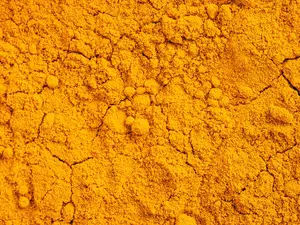
any of a class of natural earths, mixtures of hydrated oxide of iron with various earthy materials, ranging in color from pale yellow to orange and red, and used as pigments

raze
[reyz]
to tear down; demolish; level to the ground

phoenix
[fee-niks]
a mythical bird that regenerates or is reborn from its ashes.

synchrony
[sing-kruh-nee]
simultaneous occurrence; synchronism