
drowse
verb, verbto be sleepy or half-asleep to be dull or sluggish
What Makes This Word Tick
"Drowse" conjures up images of lazy Sunday afternoons and the gentle sway of a hammock. It's a delightful term capturing that half-awake, half-asleep state we all enjoy before fully nodding off or waking up.
If Drowse Were a Person…
Drowse would be the laid-back friend at a gathering who's always ready with a comfy blanket or a soft pillow. Easygoing and always relaxed, they'd have a knack for turning any moment into a time to unwind.
How This Word Has Changed Over Time
Originally, "drowse" has maintained its serene essence, though its applications shifted over the years. From the archaic notion of being lethargic, it's now often used positively, emphasizing restfulness and comfort.
Old Sayings and Proverbs That Use Drowse
While not heavily featured in proverbs, variations of "drowse" appear in expressions highlighting rest, like "let sleeping dogs lie," suggesting ease and untroubled peace.
Surprising Facts About Drowse
Did you know that "drowse" doesn't always have to involve sleep? You can drowse just by being in a daze or dreamily lost in thought-no napping required!
Out and About With This Word
You might hear "drowse" in the context of cozy bookstores, cafes, or the ultimate Sunday brunch spot-anywhere that invites you to linger and possibly drift off.
Pop Culture Moments Where Drowse Was Used
While not a headliner word, "drowse" has its moments in soothing, dreamy soundtracks or films where characters escape to reflective, restful interludes that mirror the word's tranquility.
The Word in Literature
"Drowse" finds its home in literature, painting serene scenes in poetry or lingering descriptions in novels. Think gentle lulls where characters pause to collect their thoughts.
Moments in History with Drowse
Though "drowse" itself might not headline historical moments, the essence of drowsiness perfectly suits tales of leisurely periods in history, like the laissez-faire attitude of the Roaring Twenties.
This Word Around the World
In France, one might use "somnoler" similarly, capturing that pleasant state of drifting between wakefulness and sleep, while in Japan, "nemuke" refers to a feeling of sleepiness.
Where Does It Come From?
The word "drowse" likely stems from the Middle English "drousen," meaning to sink into a languid state. Over time, it has cozyed up to the modern lexicon of rest.
How People Misuse This Word
People sometimes confuse "drowse" with being inattentive or careless, but its true charm lies in the warm embrace of calm, not negligence.
Words It's Often Confused With
- Doze: Implies light sleeping, while drowse doesn't necessarily mean sleep.
- Lull: Focuses on soothing, calming effect, sometimes interchanged with drowse.
- Nap: A short sleep, whereas drowse emphasizes the drifting state.
Additional Synonyms and Antonyms
Synonyms for "drowse" include "doze," "nod," and "snooze." Antonyms are more energetic, like "awake," "alert," and "revitalize."
Want to Try It Out in a Sentence?
"After the hearty meal, Harold sat back on the porch with a magazine, pleasantly content to drowse in the afternoon sunlight."
Explore more words

proud
[proud]
feeling deep satisfaction from one's achievements or possessions
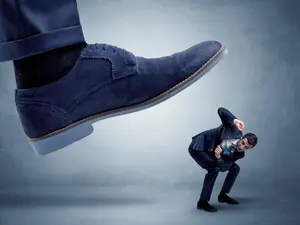
hegemonic
[hej-uh-mon-ik]
having hegemony or dominance
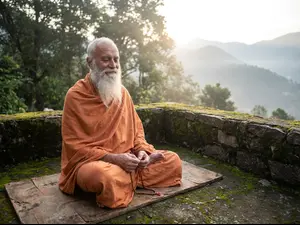
guru
[goo-roo]
a spiritual teacher, especially one who imparts initiation.
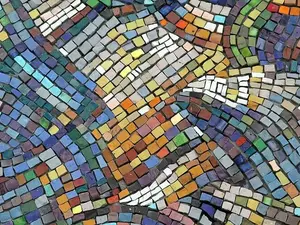
mosaic
[moh-zey-ik]
a picture or decoration made of small, usually colored pieces of inlaid stone, glass, etc.
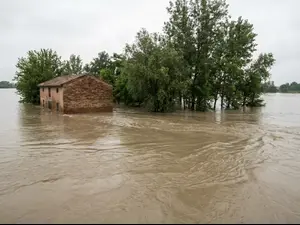
engulf
[en-guhlf]
to flow over and enclose; to overwhelm.
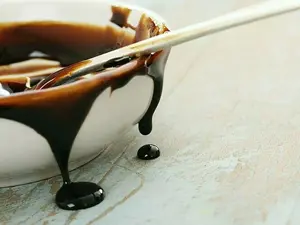
treacle
[tree-kuhl]
molasses, especially that which is drained from the vats used in sugar refining

candor
[kan-der]
the state or quality of being frank, open, and sincere in speech or expression
manifold
[ma-nif-old]
diverse, varied

fabricate
[fab-ri-keyt]
to devise or invent (a legend, lie, etc.)
monocracy
[moh-nok-ruh-see]
government by only one person; autocracy
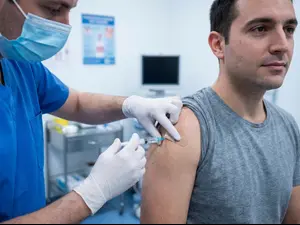
inject
[in-jekt]
to introduce a substance into something, typically a body or system
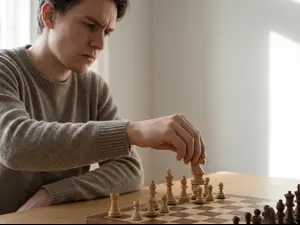
deliberately
[dih-lib-er-it-lee]
in a slow, unhurried, and steady manner.
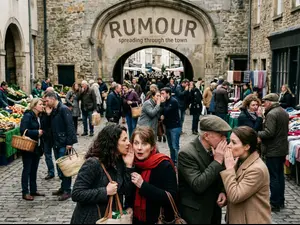
rumour
[roo-mur]
a circulating story or report of uncertain truth

cravat
[kruh-vat]
a short, wide strip of fabric worn by men around the neck and tucked inside an open-necked shirt
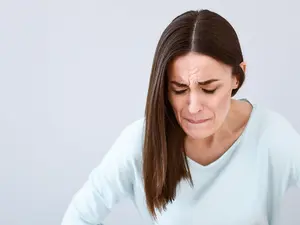
writhe
[rahyth]
to shrink mentally in discomfort or embarrassment.
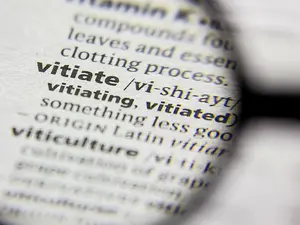
vitiate
[vish-ee-eyt]
to corrupt and debase