
melancholia
nouna mental condition characterized by great depression of spirits and gloomy forebodings
What Makes This Word Tick
"Melancholia" is a term that carries with it a sense of deep, profound sadness-a kind of emotional undercurrent that's hard to shake. Unlike a fleeting moment of grief, it suggests a lingering mood that colors everything in a muted shade of blue. It's a rich word, dense with meaning, and often used to symbolize a more introspective kind of sorrow.
If Melancholia Were a Person…
Imagine someone with an old soul, perhaps clad in shades of gray and blue. They'd be the type to spend rainy afternoons sipping tea while looking thoughtfully out the window. Not one for loud parties, they would find solace in quiet moments, deep conversations, and the steady rhythm of timeless poetry.
How This Word Has Changed Over Time
Initially, "melancholia" was a medical term in ancient Greek medicine, where it was believed to be caused by an excess of black bile. Over time, it evolved from this physical assessment to a more psychological understanding, often being used interchangeably with "depression" in the 19th century, though it retains a distinct flavor of wistfulness today.
Old Sayings and Proverbs That Use Melancholia
Though this word doesn't pop up directly in proverbs, its sentiment is echoed in phrases warning against dwelling too long in sorrow. The wisdom has always been in finding balance-a message reminding us that while melancholy has its place, life also thrives on joy.
Surprising Facts About Melancholia
A lesser-known fact is that "melancholia" was once associated with creative genius. Many artists and poets were thought to be touched by this pensive state, believed to deepen their insight and fuel their art. In Elizabethan times, it was even considered fashionable to appear melancholic!
Out and About With This Word
In modern times, "melancholia" finds its place in the realms of cinema, music, and visual arts. Films with moody atmospheres and contemplative plots often get labeled as having a sense of melancholia. It's a word that artists and critics alike use to describe that which tugs at the existential heartstrings.
Pop Culture Moments Where Melancholia Was Used
Lars von Trier's film “Melancholia” presents a perfect example, where the word is both the title and the central theme. The movie explores themes of depression and existential dread against the backdrop of an impending apocalypse-talk about a poetic depiction of melancholia!
The Word in Literature
This word is a literary darling, often appearing in novels that explore human emotions in depth, such as the works of Virginia Woolf and Hermann Hesse. It's also beloved by poets who seek to convey the complexity of sadness beyond the surface-level gloom-a deeper dive into the bittersweet.
Moments in History with Melancholia
The Romantic era, with its focus on emotion and nature, was ripe with melancholia. Mood-laden landscapes and reflective characters often featured in the poetry and paintings of this period, capturing the imaginative embrace of life's more somber elements.
This Word Around the World
While "melancholia" is deeply rooted in Western culture, other countries have their own ways of expressing this complex emotion. In Japan, "mono no aware" refers to the bittersweet realization of the impermanence of things, a concept not far off from melancholic reflections.
Where Does It Come From?
The term "melancholia" hails from ancient Greece, derived from "melas," meaning black, and "khole," meaning bile. These roots point to its original medical context, as ancient physicians believed in a bodily humor theory that connected emotions to physical substances.
How People Misuse This Word
Often, people confuse "melancholia" with transient feelings of sadness or boredom, but it actually suggests something deeper and more enduring. Merely feeling down on a gloomy day doesn't quite cut it. It's the difference between a passing cloud and a deep, gentle rain.
Words It's Often Confused With
- Depression: While similar, depression is a clinical condition, whereas melancholia often implies a philosophical or artistic aspect of sadness.
- Sadness: Generally more temporary and less profound than melancholia.
- Nostalgia: Nostalgia yearns for the past, while melancholia often dwells in the present.
Additional Synonyms and Antonyms
Synonyms include despondency, wistfulness, and gloom. On the other hand, antonyms such as exuberance, joy, and optimism stand brightly opposite melancholia's shadowed tone.
Want to Try It Out in a Sentence?
"Strolling through the leaf-laden park, she felt a wave of melancholia as autumn colors reminded her of time's relentless march."
Explore more words
11 Dumbest Things Middle-Class Americans Waste Money On
See what to cut →

interpolate
[in-tur-puh-leyt]
to introduce (something additional or extraneous) between other things or parts; interject; interpose; intercalate

distend
[dih-stend]
to expand by stretching, as something hollow or elastic

Little-Known Money Hacks That Could Save You Hundreds
Review the list →

Is Staying With the Same Insurer Costing You More?
Explore Your Options →
egregious
[ih-gree-juhs]
extraordinary in some bad way; glaring; flagr
aggrandize
[ag-ruhn-dahyz]
increase the power, status, or wealth of
These 10 Money Moves Could Save Seniors Hundreds
Read more →

rowdy
[rou-dee]
rough and disorderly
mesmerizing
[mez-muh-rahy-zing]
completely engrossing; captivating or fascinating
monody
[mon-uh-dee]
a lament or dirge, especially in music
amber
[amb-er]
a yellowish-orange fossilized tree resin often used in jewelry.

terse
[ters]
brief and to the point
burgeon
[bur-juhn]
begin to grow or increase rapidly; flourish

fipple
[fip-uhl]
a plug stopping the upper end of a pipe, as a recorder or a whistle, and having a narrow slit through which the player blows
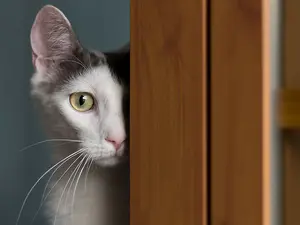
timorous
[tim-er-uhs]
full of fear; fearful
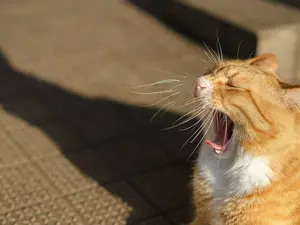
monotonous
[muh-not-n-uhs]
having very little inflection; limited to a narrow pitch range

fulminate
[fuhl-muh-neyt]
to issue denunciations or the like
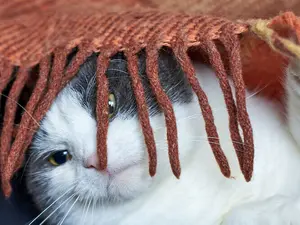
ensconce
[en-skons]
to settle securely or snugly; to cover or shelter; hide securely
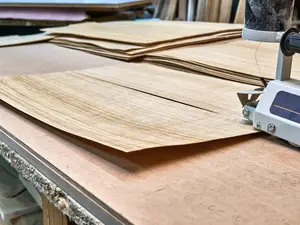
veneer
[vuh-neer]
a thin layer of wood or other material for facing or inlaying wood