
pompous
adjectivecharacterized by an ostentatious display of dignity or importance
What Makes This Word Tick
"Pompous" is one of those words that can puff up any conversation with a bit of hyperbole. It's all about airs and graces, often painting a picture of someone who might be a tad too aware of their own grandeur. It's a word that's perfect for when you're describing behavior that's ostentatiously lofty-whether in speech or demeanor.
If Pompous Were a Person…
If "pompous" were a person, they'd likely be a character you'd find in an Edwardian play-perhaps wearing a waistcoat with a monocle in hand, speaking in a grandiloquent manner. Picture someone who never misses a chance to remind you of their honorary degree or their exclusive club membership.
How This Word Has Changed Over Time
"Pompous" started out on a relatively neutral footing, originally derived from the Latin "pompa," meaning "procession" or "splendor." Over time, it shifted to lean heavily into the negative, now typically used to critique those who take their own magnificence a bit too seriously.
Old Sayings and Proverbs That Use Pompous
While you won't find Ancient proverbs featuring "pompous" explicitly, the sentiment is felt in aphorisms like "Pride goes before a fall," which warns of the dangers of inflated self-esteem.
Surprising Facts About Pompous
Interestingly, "pompous" is a full-fledged adjective that's made more colorful by its ability to sound exactly like what it describes. It's also one of those words that perfectly embodies the concept of "onomatopoeia," but within the realm of adjectival expression.
Out and About With This Word
You might hear "pompous" reverberating through the halls of many a gathering-be it a country club or grand theater. It's favored by those who relish a more vivid recounting of someone being a bit full of themselves.
Pop Culture Moments Where Pompous Was Used
In pop culture, "pompous" often comes up to humorously deflate characters in sitcoms or films-like the iconic insufferable boss or the know-it-all guest in a comedy of errors. It's a scriptwriter's favorite for a chuckle.
The Word in Literature
Classic literature is rife with pompous characters who are caricatured for their inflated egos-from Mr. Collins in Jane Austen's "Pride and Prejudice" to the grandiose speeches of the Rivals in Richard Sheridan's play by the same name.
Moments in History with Pompous
Think of King Louis XIV of France, also known as the "Sun King." His reign might have been seen as glorious, but his penchant for opulence epitomized the definition of "pompous," from the Versailles Palace to his very public portraits.
This Word Around the World
In France, you might hear "prétentieux" in a similar context, while Italians could call someone "pomposo." The nuances are slightly different, but the idea of over-the-top pride remains central.
Where Does It Come From?
The origin takes us back to Middle English, from Old French "pompeux," ultimately tracing deeper roots to Latin's "pompa." It's a word that's paraded through history with a flashy flair.
How People Misuse This Word
Occasionally, people might use "pompous" to describe anything excessive, rather than specifically haughty or self-important behavior.
Words It's Often Confused With
- Pretentious: While both imply grandeur, pretentiousness suggests putting on airs without the actual credentials.
- Arrogant: This suggests confidence to the point of looking down on others more than self-importance.
- Bombastic: Tends to relate more to speech rather than behavior, though both can imply showiness.
Additional Synonyms and Antonyms
Synonyms include "arrogant," "pretentious," and "ostentatious," while antonyms would be "humble," "modest," and "unassuming."
Want to Try It Out in a Sentence?
Next time you spot someone with an overly grandiose sense of self, you might say, "His speech was so pompous, I half-expected a fanfare to accompany his every point."
Explore more words
11 Dumbest Things Middle-Class Americans Waste Money On
See what to cut →

rapt
[rapt]
deeply engrossed or absorbed

sneaky
[snek-ee]
behaving in a secretive or deceitful way

Little-Known Money Hacks That Could Save You Hundreds
Review the list →

Is Staying With the Same Insurer Costing You More?
Explore Your Options →

veracity
[vuh-ras-i-tee]
habitual observance of truth in speech or statement; truthfulness

aromatic
[ar-uh-mat-ik]
having an aroma; fragrant or sweet-scented; odoriferous

These 10 Money Moves Could Save Seniors Hundreds
Read more →

gaze
[gayz]
to look steadily and intently at something

bad luck
[bad luhk]
an unfortunate event or series of events

perfidious
[per-fid-ee-uhs]
deliberately faithless; treacherous; deceitful
loath
[lohth, lohth]
unwilling; reluctant; disinclined; averse

amenable
[uh-mee-nuh-bul]
open to suggestion; easily persuaded or controlled

respite
[res-pit]
a delay or cessation for a time, especially of anything distressing or trying; an interval of relief

prop
[pr-op]
an object used for support or as part of a performance; also refers to giving assistance or reinforcement.

elocution
[el-uh-kyoo-shuhn]
a person's manner of speaking or reading aloud in public

sabotage
[sab-uh-tahzh]
any underhand interference with production, work, etc., in a plant, factory, etc., as by enemy agents during wartime or by employees during a trade dispute

core
[kor]
the central or most important part of something

celerity
[suh-ler-i-tee]
swiftness; speed
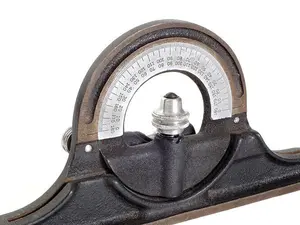
clinometer
[klahy-nom-i-ter]
an instrument used for measuring the angle or elevation of slopes