
repertory
nouna type of theatrical presentation in which a company presents several works regularly or in alternate sequence in one season
What Makes This Word Tick
"Repertory" is one of those words that instantly conjures up the image of a bustling theater with actors rehearsing for their next big performance. It's primarily used to describe a collection of works that a company or performer can present at any time. It's all about having a variety ready to go, whether it's plays, music, or even skills. Imagine a jukebox filled with all your favorite tunes, always at the ready-now that's a repertory!
If Repertory Were a Person…
If "repertory" were a person, they'd definitely be a theater enthusiast with a flair for drama and a memory like a steel trap. This person would have a habit of quoting Shakespeare at dinner parties and could discuss the nuances of vaudeville versus modern improv for hours. They'd be the one at a gathering who knows a little bit about everything and loves to keep everyone entertained.
How This Word Has Changed Over Time
Over the centuries, "repertory" has remained relatively steadfast in its meaning, sticking close to its roots in the realm of performance arts. Originally from the Latin "repertorium," meaning an inventory or list, it has evolved within the artistic scene, expanding from simply being a list to encompass the idea of variety and readiness for performance. The enchanting world of theater truly owns this word!
Old Sayings and Proverbs That Use Repertory
While "repertory" might not appear in many old sayings or proverbs, the idea of having a variety of skills or options is as ancient as the hills. "Variety is the spice of life" echoes the essence of repertory, highlighting the importance of having numerous choices at one's disposal, much like a theatrical company's line-up.
Surprising Facts About Repertory
Did you know that repertory theaters were common in the 19th and early 20th centuries, particularly in Britain, Ireland, and North America? These theaters would have a resident acting company who performed a variety of plays in rotation. This meant audiences could experience a different production each night, a thrilling thought for any theater lover!
Out and About With This Word
In everyday conversation, you might hear "repertory" used in contexts beyond the theater, such as in business or education, to describe a range of competencies or skills readily available for use. Whether it's a company's slate of services or a professor's well-versed lectures, the charm of repertory's versatility shines through.
Pop Culture Moments Where Repertory Was Used
The concept of repertory has been spotlighted in films like "Shakespeare in Love," which captures the essence of a repertory theater company bustling with creativity. It paints a vivid picture of actors switching roles from one play to another, highlighting the dynamic, ever-changing nature of repertory work.
The Word in Literature
In the grand tapestry of literature, "repertory" finds its place in discussions around theater and performing arts. Renowned authors like Anton Chekhov and George Bernard Shaw have championed the repertory format, promoting the variety and richness it brings to audiences. It's a word that carries the weight of the stage and all its drama.
Moments in History with Repertory
Picture this: the Victorian era, with audiences thirsty for diverse forms of entertainment. Repertory theaters were at their peak, providing a smorgasbord of performances ranging from operas to pantomimes. This word perfectly captures the vibrancy and excitement of that historical moment, when the arts were truly alive with variety.
This Word Around the World
While "repertory" retains a similar meaning across the globe, the concept varies. In France, "répertoire" is used quite similarly to denote a body of work or skills. In India, repertory theaters like Prithvi and Rangashankara offer vibrant platforms for local artisanal expressions, highlighting how this concept connects cultures through performance.
Where Does It Come From?
The roots of "repertory" can be traced back to Latin, with "repertorium" meaning an inventory or list. It danced its way into English through Middle French and has stayed close to its original meaning focused on collections-particularly in the arts.
How People Misuse This Word
Sometimes, folks might use "repertory" interchangeably with "repertoire," but there's a subtle difference. "Repertory" often refers to the range of performances available for presentation, while "repertoire" can be more personal, referring to an individual's or group's entire body of work.
Words It's Often Confused With
- Repertoire: While both refer to collections, "repertory" often denotes a staged selection, while "repertoire" is a broader personal collection of capabilities or works.
- Register: In some contexts outside art, it's more about official lists or records, unlike the performance-focused "repertory."
- Roster: Often linked with a list of names, suitable for teams or groups, but not the rich collection that "repertory" suggests.
Additional Synonyms and Antonyms
- Synonyms: Ensemble, collection, catalog
- Antonyms: Deprivation, scarcity
Want to Try It Out in a Sentence?
Sure, here's one: "The local repertory theater is staging a new production every night this week, offering everything from Shakespeare to contemporary musicals."
Explore more words

11 Dumbest Things Middle-Class Americans Waste Money On
See what to cut →

inhibit
[in-hib-bit]
to prevent, restrain, stop

unsparing
[unsp-ar-ing]
generous and unrestrained in giving; also refers to harsh or severe criticism.

Little-Known Money Hacks That Could Save You Hundreds
Review the list →

Is Staying With the Same Insurer Costing You More?
Explore Your Options →

paltry
[pawl-tree]
insignificant or worthless

braid
[br-aid]
a pattern formed by weaving together three or more strands, often of hair or fabric.

These 10 Money Moves Could Save Seniors Hundreds
Read more →

mesmerizing
[mez-muh-rahy-zing]
hypnotic or hypnotizing; having a trancelike effect similar to hypnosis

tautology
[taw-tol-uh-jee]
an instance of such repetition
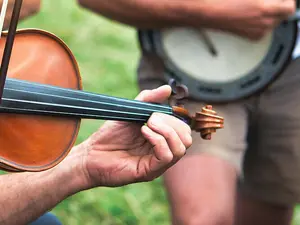
hootenanny
[hoot-n-an-ee, hoot-nan-ee]
a social gathering or informal concert featuring folk singing and, sometimes, dancing

artful
[ahrt-fuhl]
clever or skillful, often in a crafty or cunning way

peregrinate
[per-i-gruh-neyt]
to travel or journey, especially to walk on foot

chockablock
[chok-uh-blok]
extremely full; crowded; jammed

perquisite
[pur-kwuh-zit]
an incidental payment, benefit, privilege, or advantage over and above regular income, salary, or wages

torrid
[tawr-id]
ardent; passionate

acquiesce
[ak-wee-es]
to assent tacitly; submit or comply silently or without protest; agree; consent

snafu
[sna-foo]
a badly confused or ridiculously muddled situation

belabor
[bih-ley-ber]
to argue or elaborate on something in excessive detail

respite
[res-pit]
a delay or cessation for a time, especially of anything distressing or trying; an interval of relief