
serpentine
adjectiveof, characteristic of, or resembling a serpent, as in form or movement
What Makes This Word Tick
There's something almost magical about the word "serpentine." It slithers its way into sentences, evoking images of winding paths or the sinuous movements of a snake. The term can describe anything that twists and turns gracefully, much like a serpentine road cutting through a mountainous landscape.
If Serpentine Were a Person…
Imagine someone with a sly, subtle grace and a penchant for the unexpected - that would be Serpentine. This person might have an air of mystery and elegance, drifting through life like a dance, with movements as smooth as silk and intentions that are sometimes inscrutable.
How This Word Has Changed Over Time
Serpentine has wriggled from its early associations strictly with snakes to a broader application, capturing the essence of anything that meanders or spirals. Its roots can be traced back to Latin, but its usage has evolved to include minerals, designs, and even personalities.
Old Sayings and Proverbs That Use Serpentine
Though not an everyday player in proverbs, "serpentine" evokes sayings about winding paths that lead to great rewards or unexpected journeys. Picture phrases about the road less traveled or the twists of fate, snaking their way into these thoughtful lines.
Surprising Facts About Serpentine
Did you know there's a group of minerals called serpentine that's found its way into countertops and jewelry? Beyond geological talk, serpentine patterns are beloved in art and design, capturing the eye with their dynamic curves and undulating forms.
Out and About With This Word
Look around, and you might see serpentine artistry everywhere - from garden mazes to fashion runways. Perhaps it's the elegant curves in an art nouveau piece or a scenic byway that draws your car around its many bends.
Pop Culture Moments Where Serpentine Was Used
In the world of dance and film, anything described as serpentine might suggest moves or scenes that are fluid, mysterious, and otherworldly. Think of classic movie scenes with twisting plot lines or the beauty of a dancer's snaking movements.
The Word in Literature
Within literature, serpentine often appears to describe plots that twist and turn, keeping readers on their toes. It's a word for mystery and fantasy novels, where the path isn't always straightforward and characters must navigate turns both literal and figurative.
Moments in History with Serpentine
Picture the Renaissance, with its art and architecture full of curves and spirals, as a serpentine era in terms of design. This was a time when architects like Michelangelo played with dynamic forms that delighted and surprised the eye.
This Word Around the World
In languages like Italian or French, "serpente" and "serpentin" carry similar meanings, often linked to both the literal snake and the abstract curvature. Global expressions might use these to describe the cunning or the seductive sway of a line or path.
Where Does It Come From?
"Serpentine" comes from the Latin "serpens," meaning snake. Latin itself borrowed from older Proto-Indo-European roots. The word has maintained its essence of winding movement, slithering its way through centuries of language use.
How People Misuse This Word
Sometimes people use serpentine when they simply mean complex or confusing. While something serpentine may indeed be intricate, the core idea is one of smooth, flowing twists, rather than mere complication or chaos.
Words It's Often Confused With
- Tortuous: While both imply twists, tortuous often emphasizes difficulty or suffering.
- Convoluted: This suggests complexity and confusion, rather than the graceful winding of serpentine.
- Winding: A close cousin, but lacks the snake-like subtlety and elegance implied by serpentine.
Additional Synonyms and Antonyms
Synonyms for serpentine include sinuous, winding, meandering, and labyrinthine. Antonyms might be straight, linear, or unbending, suggesting a lack of serpentine's dynamic grace.
Want to Try It Out in a Sentence?
The serpentine river wound its way through the lush valley, curving elegantly beneath the canopy of trees, inviting explorers to lose themselves in its twists and turns.
Explore more words
11 Dumbest Things Middle-Class Americans Waste Money On
See what to cut →
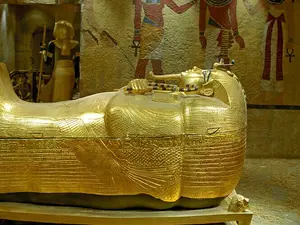
sarcophagus
[sahr-kof-uh-guhs]
a stone coffin, typically adorned with a sculpture or inscription and associated with the ancient civilizations of Egypt, Rome, and Greece

hypocritical
[hip-uh-krit-i-kuhl]
behaving in a way that contradicts one's stated beliefs or values

Little-Known Money Hacks That Could Save You Hundreds
Review the list →

Is Staying With the Same Insurer Costing You More?
Explore Your Options →

choleric
[kol-er-ik]
extremely irritable or easily angered; irascible

angst
[angkst]
a feeling of deep anxiety or dread

These 10 Money Moves Could Save Seniors Hundreds
Read more →

funny
[f-unny]
causing amusement or laughter; also used to describe something strange or unusual.

coruscation
[kawr-uh-skey-shuhn]
the act of coruscating; a sudden gleam or flash of light; a striking display of brilliance or wit

peremptory
[puh-remp-tuh-ree]
leaving no opportunity for denial or refusal; imperative
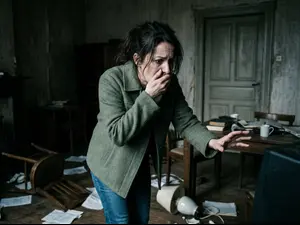
heinous
[hay-nus]
shockingly wicked or reprehensible

naive
[nah-eev]
having or showing a lack of experience, judgment, or information; credulous

discombobulated
[dis-kuhm-bob-yuh-ley-tid]
confused, disconcerted, or upset

enervated
[en-er-vey-tid]
without vigor, force, or strength; languid

aerostat
[air-uh-stat]
an airship or hot-air balloon, especially one that is tethered

mystifying
[mis-tuh-fahy-ing]
to perplex (a person) by playing upon the person's credulity; bewilder purposely

aquiver
[uh-kwiv-er]
trembling with excitement or emotion

chapfallen
[chap-faw-len]
dejected or dispirited

postulate
[pos-chuh-leyt]
to claim or assume the existence or truth of, especially as a basis for reasoning or arguing