tarnish
verbto lose or cause to lose luster, especially as a result of exposure to air or moisture
What Makes This Word Tick
Tarnish describes shine being dulled or spoiled. It often applies to metals that lose brightness after exposure to air or moisture. The word can also suggest that something once bright now looks stained or less impressive.
If Tarnish Were a Person…
Tarnish would not break the silver cup; they would slowly dim it. They would work quietly through time, moisture, and neglect. Their effect would be gradual, but easy to notice in the end.
How This Word Has Changed Over Time
Tarnish comes from Old French ternir, meaning "to dull or make dim." That meaning still sits at the center of the word. To tarnish something is to take away its luster.
Old Sayings and Proverbs
Tarnish is not commonly found in traditional proverbs, but its meaning fits old advice about care and neglect. An imagined proverb-like line might be: "Silver left unwatched will tarnish before it breaks." It suggests that value can fade through slow neglect.
Surprising Facts
Tarnish does not always mean something is destroyed. Tarnished silver may still be valuable, but its surface has lost brightness. The word is useful when the damage is about luster, appearance, or visible quality.
Out and About With This Word
You can use tarnish for silverware, jewelry, metal fixtures, old coins, and other surfaces that lose shine. It fits kitchens, museums, antique shops, storage rooms, and cleaning guides. Use it when brightness fades because of exposure or neglect.
Pop Culture Moments Where Tarnish Was Used
It would fit naturally alongside Beauty and the Beast, where polished objects and faded surfaces can shape the feeling of an old household. It also suits Cinderella, where plain and polished things stand in sharp contrast. In both cases, tarnish describes brightness losing its clean shine.
The Word in Literature
In literature, tarnish can describe a dulling surface, an old ornament, or a once-bright object left in damp air. It helps show age, neglect, or fading beauty through one visible change. The word gives dullness a physical cause.
Moments in History with Tarnish
In a museum storeroom, ship cabin, or old family cupboard, tarnish can describe metal losing its luster over time. The setting makes exposure and storage important. The word keeps attention on shine that has been dulled.
This Word Around the World
Many languages have words for dulling, staining, or corroding a surface. Tarnish gives English a specific verb for losing luster. It is useful when something still exists, but no longer shines as it did.
Where Does It Come From?
Tarnish comes from Old French ternir, meaning "to dull or make dim." That origin matches the modern meaning closely. In English, tarnish means to lose or cause to lose luster, especially from exposure to air or moisture.
How People Misuse This Word
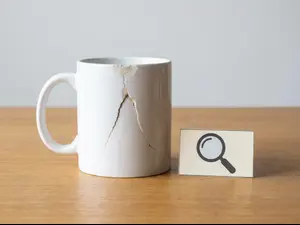
Tarnish should not be used for every kind of damage. A scratch, crack, or stain may not be tarnish. The word works best when the main change is loss of luster or dulling.
Words It's Often Confused With
Tarnish can be confused with rust, but rust usually refers to iron or steel corrosion. It can also overlap with stain, though tarnish focuses more on lost shine. The word is about dulling luster.
Additional Synonyms and Antonyms
Additional synonyms: darken, smudge, fade, mar Additional antonyms: buff, renew, clear, gloss
Want to Try It Out in a Sentence?
The silverware began to tarnish after being stored for so long.
Explore more words
11 Dumbest Things Middle-Class Americans Waste Money On
See what to cut →

pleiades
[plee-uh-deez]
a cluster of stars in the constellation taurus that includes six stars in the form of a very small dipper.

nourishing
[n-our-ish-ing]
providing substances necessary for growth, health, and well-being.

Little-Known Money Hacks That Could Save You Hundreds
Review the list →

Is Staying With the Same Insurer Costing You More?
Explore Your Options →

pack
[pak]
a group of animals or things, or to place items together

trenchant
[tren-chuhnt]
incisive or keen, as language or a person; caustic; cutting

These 10 Money Moves Could Save Seniors Hundreds
Read more →

pompous
[pom-puhs]
characterized by an ostentatious display of dignity or importance
ascetic
[uh-set-ik]
relating to asceticism, the doctrine that one can reach a high spiritual state through the practice of extreme self-denial or self-mortification

grok
[grok]
to communicate sympathetically

isthmus
[is-muhs]
a connecting, usually narrow, part, organ, or passage, especially when joining structures or cavities larger than itself

balif
[bay-lif]
a legal officer to whom some degree of authority is given

blistering
[blis-ter-ing]
very hot or severe; harshly critical

confer
[kuhn-fur]
to consult together; compare opinions; carry on a discussion or deliberation

travail
[truh-veyl]
to toil or exert oneself