
wheedle
verbto endeavor to influence (a person) by smooth, flattering, or beguiling words or acts
What Makes This Word Tick
"Wheedle" is a verb that paints a picture of someone gently persuading or encouraging someone else to do something, often with a little flattery or charm thrown in. It's a softer approach than demanding or even coaxing, which adds to its subtle allure.
If Wheedle Were a Person…
If wheedle were a person, imagine a charming diplomat or a beloved grandparent, who could convince you to eat your veggies or attend a family function with just the right words and a twinkle in their eye. They're the sort of individual who knows how to get what they want without making you feel pressured.
How This Word Has Changed Over Time
Originally, "wheedle" had connotations of trickery and deceit, as in manipulating someone for selfish reasons. Over the years, however, it has softened somewhat and is now often used to describe efforts that are more about gentle persuasion than outright cunning.
Old Sayings and Proverbs That Use Wheedle
While "wheedle" itself doesn't pop up in many traditional proverbs, its spirit is captured in sayings like "You can catch more flies with honey than with vinegar," reflecting the idea that warmth can win people over more effectively than aggression.
Surprising Facts About Wheedle
"Wheedle" is believed to have entered the English language in the 17th century, possibly from a German word meaning "to beg" or a Dutch term for "to wag or scold." Its etymological journey hints at its persuasive origins!
Out and About With This Word
In everyday use, "wheedle" might appear in conversations where one person is trying to persuade another to lend them a favor, go to an event, or even simply smile. It's the word to use when you need to charm your way to a goal.
Pop Culture Moments Where Wheedle Was Used
"Wheedle" might not have headlined many blockbusters, but it makes one think of those classic romantic comedies where a character uses their charm to win someone over or in sitcoms where a cunning character may sweet-talk their way out of sticky situations.
The Word in Literature
You'll find "wheedle" scattered through literature where characters need to influence others. It's the perfect word for narratives involving diplomacy, cunning, and charm-think Jane Austen's characters or the smooth talkers in Agatha Christie's mysteries.
Moments in History with Wheedle
During negotiations at the United Nations, diplomats often employ a bit of "wheedling" to gain consensus. Historical treaties frequently saw one side needing to charm and persuade the other for mutual benefits without overt threats or coercion.
This Word Around the World
"Wheedle" doesn't have direct counterparts in many languages but is universally understood across cultures through gestures and tone. In France, one might say "enjôler," and in Spanish, “engatusar”-both capturing that gentle art of persuasion with a hint of charm.
Where Does It Come From?
The root of "wheedle" is somewhat mysterious but believed to possibly draw from the German "wedeln" which means “to wag.” This connection hints at the idea of coaxing or enticing something into motion.
How People Misuse This Word
Sometimes, "wheedle" is confused with more forceful means of persuasion, like "coerce" or "mislead," which are not accurate. Wheedling is all about finesse, not overt force or deception.
Words It's Often Confused With
- Coax: Similar in meaning but often less about charm and more about consistent urging.
- Cajole: Slightly more persistent and could imply longer efforts of persuasion.
- Entice: Focuses more on the allure of something promising or tempting.
Additional Synonyms and Antonyms
Synonyms for wheedle include persuade, coax, and charm, whereas antonyms could be bully, demand, or coerce, highlighting a stark contrast in approaches.
Want to Try It Out in a Sentence?
"Despite their initial hesitation, Helena managed to wheedle her friends into joining her for the road trip with promises of adventure and camaraderie."
Explore more words
11 Dumbest Things Middle-Class Americans Waste Money On
See what to cut →

angst
[angkst]
a feeling of deep anxiety or dread

rancor
[r-ank-or]
bitter resentment or deep-seated ill will.

Little-Known Money Hacks That Could Save You Hundreds
Review the list →

Is Staying With the Same Insurer Costing You More?
Explore Your Options →
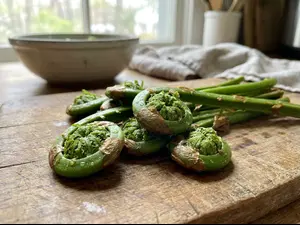
fiddlehead
[fid-l-hed]
one of the young unfurling fronds of certain ferns that are often eaten as greens.
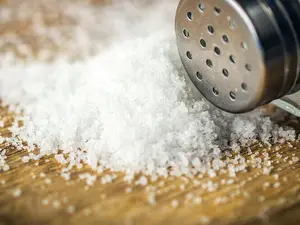
brackish
[brak-ish]
distasteful; unpleasant

These 10 Money Moves Could Save Seniors Hundreds
Read more →

nebulous
[neb-yuh-luhs]
hazy, vague, indistinct, or confused

reticent
[ret-uh-suhnt]
disposed to be silent or not to speak freely; reserved

abnegation
[ab-ni-gey-shuhn]
the act of relinquishing or giving up a right, possession, etc.

coruscating
[kawr-uh-skeyt-ing]
flashing or sparkling

droke
[drohk]
a valley with steeply sloping sides

picaresque
[pik-uh-resk]
pertaining to or characterized by a form of prose fiction originally developed in Spain in which the adventures of a roguish hero are described in a series of usually humorous or satiric episodes often depicting the everyday life of the common people
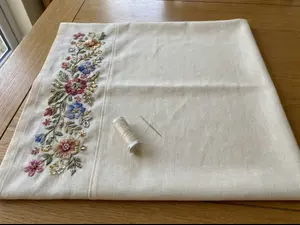
embellishment
[emb-ell-ishm-ent]
a decorative detail or feature added to enhance appearance or effect.

garrulous
[gar-uh-luhs]
excessively talkative, especially on trivial matters

cache
[kash]
a hiding place, especially one in the ground, for ammunition, food, treasures, etc.

band
[b-and]
a group of people working together, often in music or activities; also refers to a strip of material.

sagacious
[suh-gey-shuhs]
having or showing acute mental discernment and keen practical sense; shrewd
penultimate
[pi-nuhl-tuh-mit]
next to the last