
bereft
adjectivedeprived
What Makes This Word Tick
"Bereft" speaks of loss and longing. It conjures an image of something missing, leaving a void that's often deeply felt. The word is powerful in its simplicity, expressing a depth of emotion with just a touch of melancholy.
If Bereft Were a Person…
Picture someone with a soulfully wistful gaze, staring into the middle distance. They might wear an old cardigan and clutch a warm cup of tea, reminiscing silently about the good old days when everything was whole and abundant.
How This Word Has Changed Over Time
"Bereft" hasn't strayed far from its original meaning. Historically, it meant being deprived of something, a sentiment that continues today. Despite its consistent usage, it carries different weights depending on the era, often linked to personal or collective grief.
Old Sayings and Proverbs That Use Bereft
Though not commonly featured in proverbs, you might encounter phrases like "bereft of reason" in older literature, reminding us that "bereft" often describes an absence that's deeply felt, whether tangible or intangible.
Surprising Facts About Bereft
Here's a tidbit: "bereft" is the past participle of "bereave." The link to bereavement roots it deeply in experiences of loss, though it's more flexible in application. Not just limited to the sadness of a loved one passing, it can apply to missing opportunities or lacking inspiration.
Out and About With This Word
Whether describing someone bereft of hope after a long winter or a society bereft of traditions, this word formats itself well anywhere lives intersect with changes, creating spaces for reflection.
Pop Culture Moments Where Bereft Was Used
Ever watched a movie or read a book where a character is at a loss for something vitally important? That scenario is often captured by the word "bereft," which writers and filmmakers employ to heighten drama or underscore an emotional void.
The Word in Literature
"Bereft" has graced the pages of many a novel and poem. Think of the classic domains of rich narratives exploring themes of abandonment or existential introspection. It's a word that has whispered through the works of authors who delve deep into the human psyche.
Moments in History with Bereft
When Titanic sank, the world was bereft. Entire communities felt the weight of loss as one of the greatest maritime tragedies unfolded, exemplifying the intense feelings "bereft" captures without needing explicit mention.
This Word Around the World
In other languages, translations might reflect nuances particular to those cultures. For instance, the concept of being "bereft" in Japanese can be linked to the word "uetsuran" (憂鬱), illustrating a profound sense of melancholy that's culturally resonant.
Where Does It Come From?
Originating from Old English, "bereft" is akin to "bereaved," a close cousin in etymology, with both words rooted in the gothic tradition signifying to rob or take away, emphasizing the element of loss at its core.
How People Misuse This Word
"Bereft" sometimes gets mistakenly used just for minor absences, which diminishes its impact. It's best reserved for weightier situations where the loss is genuinely felt, not just when someone's out of coffee.
Words It's Often Confused With
- Bereave: While connected, "bereave" typically involves a deeper personal grief caused by death.
- Deprived: This suggests lacking something necessary, often due to external circumstances rather than the internal feeling of "bereft."
Additional Synonyms and Antonyms
Synonyms for "bereft" include "deprived," "lacking," and "void." On the flip side, its antonyms could be "replete," "filled," "whole," and "content."
Want to Try It Out in a Sentence?
She felt utterly bereft when her last child left for college, the silence of the house echoing the void in her heart.
Explore more words
11 Dumbest Things Middle-Class Americans Waste Money On
See what to cut →

hearsay
[heer-sey]
information received from other people that one cannot adequately substantiate; rumor
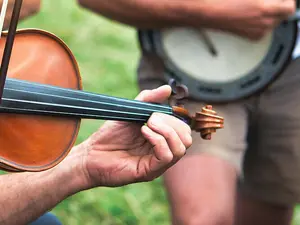
hootenanny
[hoot-n-an-ee, hoot-nan-ee]
a social gathering or informal concert featuring folk singing and, sometimes, dancing

Little-Known Money Hacks That Could Save You Hundreds
Review the list →

Is Staying With the Same Insurer Costing You More?
Explore Your Options →

breezy
[bree-zee]
fresh and brisk; casual and relaxed

hurtle
[hur-tl]
to rush violently; move with great speed

These 10 Money Moves Could Save Seniors Hundreds
Read more →

hinder
[hin-der]
to make it difficult for someone to do something or for something to happen

grok
[grok]
to communicate sympathetically

unsettled
[uhn-set-ld]
lacking stability or certainty

woo
[woo]
to seek the favor, affection, or love of, especially with a view to marriage

picaresque
[pik-uh-resk]
pertaining to or characterized by a form of prose fiction originally developed in Spain in which the adventures of a roguish hero are described in a series of usually humorous or satiric episodes often depicting the everyday life of the common people

bathrobe
[bath-rohb]
a loose-fitting garment worn after bathing

unctuous
[uhngk-choo-uhs]
characterized by excessive piousness or moralistic fervor, especially in an affected manner; excessively smooth, suave, or smug

impetus
[im-pi-tuhs]
a moving force; impulse; stimulus

affluent
[af-loo-uhnt]
having an abundance of wealth, property, or other material goods; prosperous; rich

band
[b-and]
a group of people working together, often in music or activities; also refers to a strip of material.

petulant
[pech-uh-luhnt]
moved to or showing sudden, impatient irritation, especially over some trifling annoyance

hesperidium
[hes-puh-rid-ee-uhm]
the fruit of a citrus plant