demur
verb
to make objection, especially on the grounds of scruples; take exception; object
What Makes This Word Tick
"Demur" is a delightful word that dances on the line between hesitation and refusal. This verb is often used when someone raises objections or takes a stand, albeit quietly and respectfully. It's a word that suggests a gentle stroll rather than a full stop.
If Demur Were a Person…
Demur would be that friend who always listens carefully before sharing their thoughts. They might not speak often, but when they do, their points are considered and thoughtful. Picture someone at a town hall meeting, nodding along until they politely raise a hand to offer a different perspective.
How This Word Has Changed Over Time
Historically, "demur" carried a legal connotation, often related to formal objections in court. Over time, its usage broadened, stepping out of the courtroom and into everyday conversations. Today, it captures any moment of mild objection or polite disagreement.
Old Sayings and Proverbs That Use Demur
The age-old sentiment of "to demur is human" could well be applied here, capturing how natural it is to sometimes hesitate or raise concerns. While not a direct quote, the concept of demur subtly echoes through many idiomatic expressions about speaking one's mind.
Surprising Facts About Demur
Did you know "demur" is often confused with "demure"? Though they might look like twins, "demure" describes someone who is shy or modest, rather than someone objecting. In Victorian literature, you might see both in the same sentence, adding to the confusion!
Out and About With This Word
Imagine you're at a book club where opinions flow freely. The moment someone softly says, "I must demur," you know you're in for an interesting twist or an unexpected viewpoint. "Demur" adds a dash of intrigue to any gathering.
Pop Culture Moments Where Demur Was Used
While "demur" might not make the headlines, it could easily be found in the script of a courtroom drama or a period piece film. It's the word that perfectly fits a character who courteously challenges the status quo.
The Word in Literature
In literature, "demur" can be a powerful tool. It's often used in dialogue to reveal a character's inner strength or cautious nature. Think of Jane Austen's heroines, who might demur in conversation before ultimately proving their point with grace.
Moments in History with Demur
Consider the Suffragette movement, where women bravely demurred against societal norms. They objected gently but firmly, paving the way for change-a classic case of where this word could easily fit the bill.
This Word Around the World
In French, you might hear "objecter" or "hésiter" in place of demur. Across cultures, the idea of polite disagreement takes many forms, each with its own flair, yet the underlying sentiment remains universally understood.
Where Does It Come From?
"Demur" traces back to the Latin word "demorari," meaning "to delay." This etymology paints a vivid picture of the word's essence: a pause, a careful weighing of options before moving forward.
How People Misuse This Word
One common misuse occurs when people swap "demur" with "demure," which, despite sounding similar, refers to modesty and reserve rather than objection. It's a classic misstep in the lands of homophones.
Words It's Often Confused With
- Demure: Often swapped due to phonetics, "demure" is about shyness, not objection.
- Object: While objecting is more forceful, demurring implies a quieter dissent.
- Pause: A pause is merely a break in action, whereas demurring involves a hint of dispute.
Additional Synonyms and Antonyms
- Synonyms: hesitate, object, protest
- Antonyms: agree, accept, consent
Want to Try It Out in a Sentence?
During the meeting, Clara felt compelled to demur, voicing her concerns with grace and clarity.
Explore more words

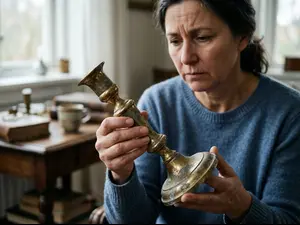
tarnish
[tahr-nish]
to lose or cause to lose luster, especially as a result of exposure to air or moisture

kinetic
[ki-net-ik]
pertaining to motion



perfidious
[per-fid-ee-uhs]
deliberately faithless; treacherous; deceitful

remonstrate
[ri-mon-streyt]
to say or plead in protest, objection, or disapproval


boisterous
[boy-ster-uhs]
noisy, energetic, and cheerful; rowdy

ensconce
[en-skons]
to settle securely or snugly; to cover or shelter; hide securely

penetralia
[pen-i-trey-lee-uh]
the innermost parts or recesses of a place or thing

virulence
[vir-yuh-luhns]
venomous hostility or intense temper

asylum
[as-ylu-lum]
a place of refuge, protection, a sanctuary

gross
[grohs]
disgusting or distasteful.

loquacious
[loh-kwey-shuhs]
talking or tending to talk much or freely; talkative; chattering; babbling; garrulous
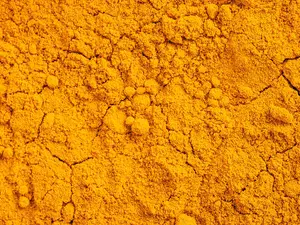
ocher
[oh-ker]
any of a class of natural earths, mixtures of hydrated oxide of iron with various earthy materials, ranging in color from pale yellow to orange and red, and used as pigments