
ambivalent
adjective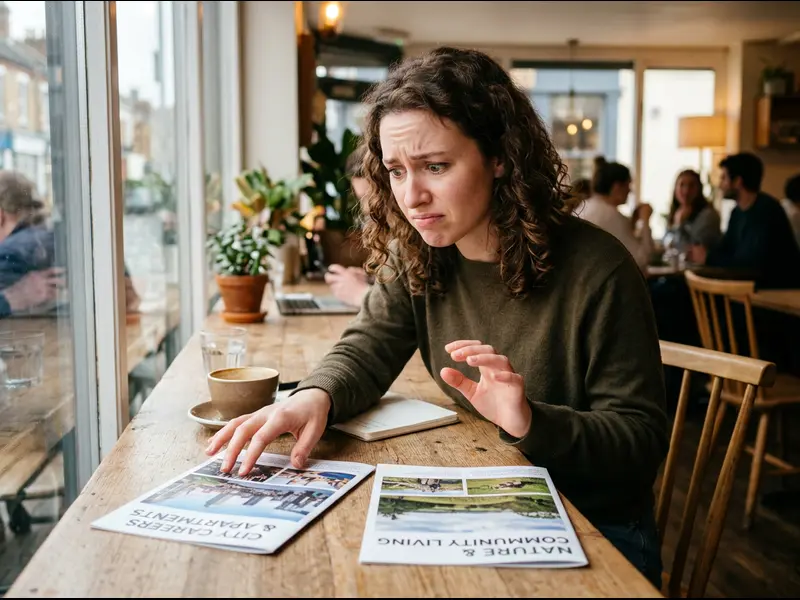
having mixed feelings about someone or something; being unable to choose between two (usually opposing) courses of action
What Makes This Word Tick
The word "ambivalent" describes a state of having mixed feelings or contradictory ideas about something or someone. It's like being tugged in two different directions at once, leaving you lingering in indecision-a perfect term for those moments when you can't decide whether you want to stay in or venture out.
If Ambivalent Were a Person…
Meet Ambivalent: they're the friend who RSVP'd "maybe" to the party and showed up anyway. Ambivalent can't decide between coffee or tea and ends up drinking both. They bring an air of mystery because you never quite know which way they'll lean.
How This Word Has Changed Over Time
Originally coined in the early 20th century from the Latin roots "ambi-" meaning "both" and "valentia" meaning "strength," ambivalence described a psychological condition where two opposing drives coexist. It's since evolved into a more general term used broadly beyond psychology.
Old Sayings and Proverbs That Use Ambivalent
While ambivalence doesn't appear in any timeworn adages, you might find its spirit in sayings like "sitting on the fence" or "torn between two lovers," epitomizing those times when you just can't choose a side.
Surprising Facts About Ambivalent
Though ambivalence is often seen as negative, some psychologists argue it can enhance decision-making by forcing us to consider multiple perspectives. Imagine ambivalence as a hidden reservoir of wisdom, nudging us to deliberate carefully.
Out and About With This Word
Ambivalent makes frequent appearances in discussions about politics and love-two areas filled with conflict and complexity. It's a go-to descriptor for voters unsure of their candidate choice or partners wavering between staying or leaving.
Pop Culture Moments Where Ambivalent Was Used
In the film "Silver Linings Playbook," characters frequently display ambivalence in their love and life choices. Ambivalence also dances through popular music lyrics, portraying the tension between staying true to oneself and adapting to others.
The Word in Literature
Ambivalence thrives in literature where inner conflict is central. Characters in novels by James Joyce or Virginia Woolf often embody this word, as they grapple with contradictory emotions and desires, painting complex human portraits.
Moments in History with Ambivalent
The Cold War era was a time of significant ambivalence, as countries balanced fear of nuclear warfare with diplomatic efforts. This word perfectly captures the delicate dance of opposing ideologies and global strategies.
This Word Around the World
In German, "ambivalent" holds a similar meaning, emphasizing inner conflict and opposing feelings. The concept translates across various languages, each word carrying its cultural nuances yet conveying the same sense of duality.
Where Does It Come From?
Ambivalent has its roots in the German "Ambivalenz," coining the term in psychology to describe conflicting feelings toward a single object or person. Since then, it has jumped into more mainstream use, broadening its descriptive power.
How People Misuse This Word
Some mistakenly use "ambivalent" to mean "indifferent" or "unconcerned," which misses the mark. Ambivalence implies deep-seated emotional conflict, not apathy or lack of interest.
Words It's Often Confused With
- Indifferent: Suggests lack of interest rather than mixed feelings.
- Uncertain: Relates to a lack of knowledge, rather than having conflicting emotions.
- Decisive: Conveys a clarity of decision that ambivalence lacks.
Additional Synonyms and Antonyms
Synonyms include conflicted, uncertain, and hesitant. For antonyms, consider decisive, certain, and clear-cut-qualities that represent clarity and resolution.
Want to Try It Out in a Sentence?
Feeling ambivalent about retirement? It's only natural to have mixed emotions, given the freedom it promises alongside the emotional shifts it requires. Clean your slate or color carefully; the choice remains yours, all in due time.
Explore more words


melancholia
[mel-uhn-koh-lee-uh]
a mental condition characterized by great depression of spirits and gloomy forebodings

censorious
[sen-sawr-ee-uhs]
severely critical; fault-finding; carping



tantalize
[tan-tl-ahyz]
to torment with, or as if with, the sight of something desired but out of reach; tease by arousing expectations that are repeatedly disappointed
garrulous
[gar-uh-luhs]
excessively talkative, especially on trivial matters


convoluted
[kon-vuh-loo-tid]
complicated; intricately involved

furtive
[fur-tiv]
characterized by stealth; sly and secretive
pinochle
[pee-nuhk-uhl]
a popular card game played by two, three, or four persons, with a 48-card deck

disheveled
[dih-shev-uhld]
hanging loosely or in disorder; unkempt
gauche
[gohsh]
lacking social grace or sensitivity

redoubtable
[ri-dou-tuh-buhl]
that is to be feared; formidable

serendipitous
[ser-uhn-dip-i-tuhs]
come upon or found by accident; fortuitous

abscond
[ab-skond]
to depart in a sudden and secret manner, especially to avoid capture and legal prosecution
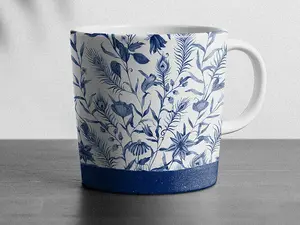
millefleur
[meel-flur]
having a background sprinkled with representations of flowers, as certain tapestries or pieces of glasswork

paraselene
[par-uh-si-lee-nee]
Meteorology—a bright moonlike spot on a lunar halo; a mock moon

scoundrel
[sk-oundr-el]
a dishonest or morally corrupt person.

interpolate
[in-tur-puh-leyt]
to introduce (something additional or extraneous) between other things or parts; interject; interpose; intercalate